

April 9, 2025 by Kenneth Cheng | Mission Kay Capital’s Principal
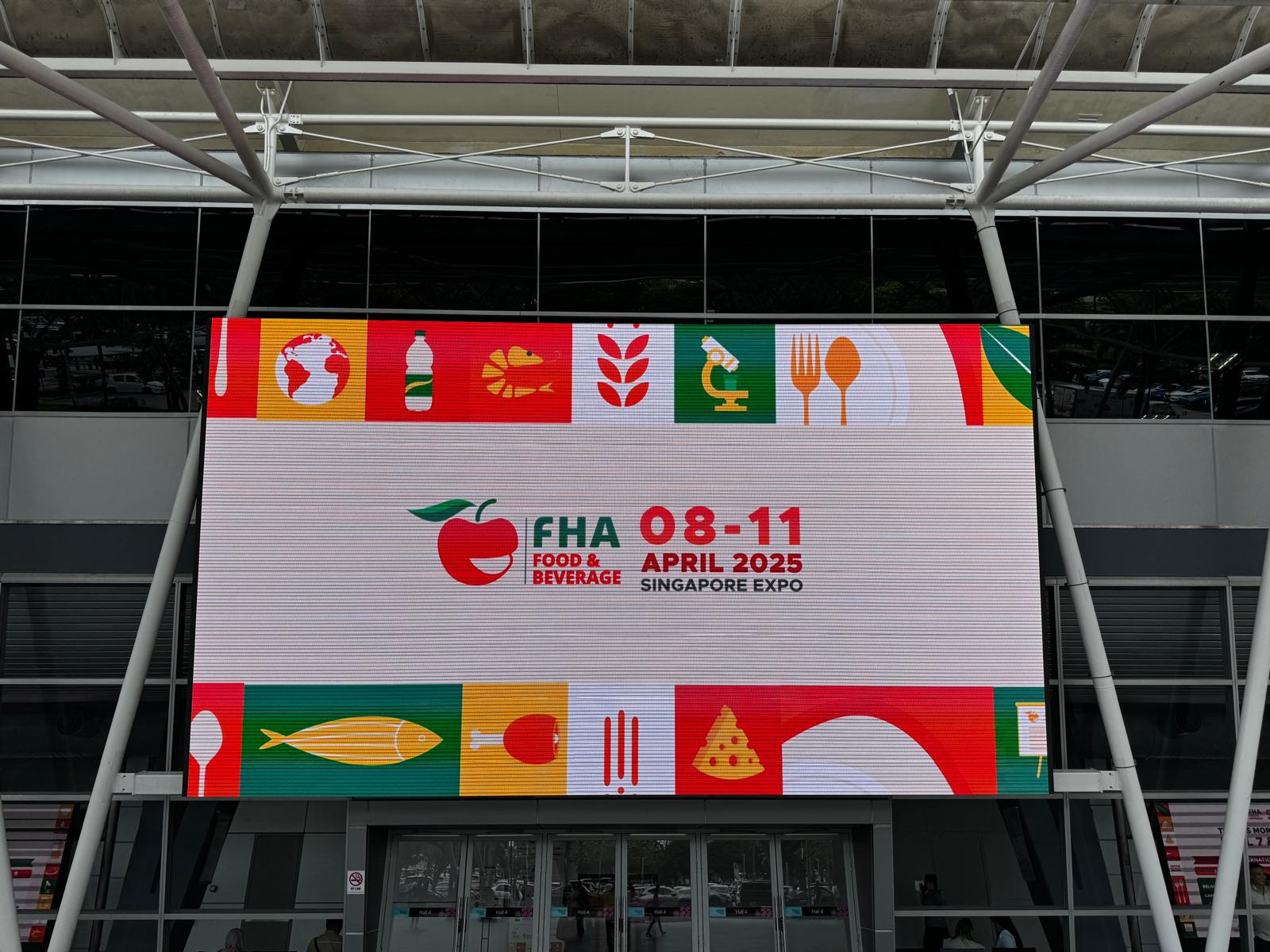
With the Food & Beverage convention taking place this week, it’s the perfect time to spotlight Singapore’s food industry—a cornerstone of daily life and economic activity in this global city-state. We have spoken to founders from manufacturing, food packaging to central kitchens and food distribution, this sector is diverse and undergoing rapid change.
Understanding the Landscape
Singapore’s food ecosystem comprises a wide range of businesses, including:
- White-label and branded food manufacturers
- Central kitchens serving foodservice chains
- Distributors of food-related SKUs like condiments and packaging
- Specialized players in halal-certified products
Despite Singapore’s land constraints and high operating costs, the nation has carved out a niche by emphasizing food safety, innovation, and brand quality—traits that have become its hallmark in global markets.
Key Challenges Across the Value Chain
1. Margin Pressure Across the Board: Across manufacturing, distribution, and food services, businesses face intense margin pressure. Cost of goods sold (COGS) has increased due to global inflation, higher shipping costs, and raw material price volatility. Meanwhile, local cost drivers such as rising rents, manpower shortages, and transportation fees continue to erode profitability.
2. Bargaining Power of Customers: Competition for similar products have increased over the years, competing for shelf space and customer share of wallet. For businesses dealing in non-differentiated or commoditized products, negotiating power often lies with large retailers or F&B brands who exert downward pressure on pricing, squeezing already thin margins.
3. Tough Competition in Low-to-Mid Tier Markets: The lower segment of the market—think generic sauces, snacks, or catering staples—is highly fragmented and price-sensitive. Competing based solely on cost is unsustainable in the long term, especially for SMEs.
4. Labor & Regulatory Complexity: Labor remains a bottleneck. Singapore’s tight foreign labor controls and rising Progressive Wage Model compliance requirements add administrative and financial burdens on food businesses.
Emerging Trends and Opportunities
1. Winning Through Category Leadership or Brand Loyalty: Surviving and thriving businesses in this landscape have one thing in common: focus. Some have cornered the market in niche product categories, while others have cultivated deep brand love from locals who value heritage, quality, or taste.
2. “Made in Singapore” as a Trust Mark: Singapore-produced food, known for its strict safety standards, enjoys strong international trust—particularly in premium and export markets. This gives an edge to local companies with ambitions to grow beyond domestic borders.
3. Halal as a Gateway to Global Markets: Malaysian halal-certified food producers are gaining ground globally, especially in the Middle East, Indonesia, and South Asia. Demand for halal versions of previously inaccessible cuisines and product types (e.g. halal kimchi, halal ramen) is unlocking new customer segments.
4. Export-led Growth via Smart Supply Chains: Companies that embrace digital inventory management, export automation, and third-party logistics are scaling faster, more efficiently. Export-led growth allows Singaporean and Malaysian food firms to combat limited local market sizes.
5. Central Kitchens & Automation: Central kitchens—especially those that serve multiple retail or delivery outlets—are increasingly investing in automation and process engineering to achieve consistency and reduce reliance on manual labor. These facilities, if optimized well, can generate higher cash flows relative to EBITDA due to economies of scale.
Conclusion: An Industry of Taste and Tenacity
Despite its structural challenges, Singapore’s food industry continues to demonstrate remarkable resilience and adaptability. Rising operating costs, a tightening labour market, and intensifying price competition have certainly put pressure on margins across the value chain—from manufacturing and central kitchens to distribution and logistics. However, these challenges have also acted as catalysts for change.
Companies that continue to thrive are those that focus sharply on what they do best—whether it’s dominating a specific product category, building a beloved local brand, or streamlining operations for scale and efficiency. Many have embraced automation, invested in leaner supply chains, or explored niche export opportunities to future-proof their businesses.
Moreover, growing global recognition of Singapore’s food safety standards, combined with rising demand for halal-certified and culturally inclusive products, is opening up new frontiers for local producers. This combination of strategic clarity, brand authenticity, and operational discipline is what sets successful players apart in a competitive and evolving landscape.
Ultimately, the future of Singapore’s food industry lies in its ability to balance tradition and innovation, quality and scalability—and in doing so, continue earning a place on tables both locally and around the world.
Connect with us if you know business owners in the food industry considering succession, we would love to connect.
Sources: Mission Kay Capital’s Internal Market Research Database, Enterprise Singapore, Singapore Food Agency (SFA), Department of Statistics Singapore (SingStat), SkillsFuture and Halal Development Corporation Malaysia
 Search Fund | Mission Kay Capital
Leave a comment